
Waking up to greasy roots can make you feel like you need a shower twice a day. If you are constantly battling limp, flat hair or feeling self-conscious about a shiny scalp by noon, you are not alone. Dealing with an oily scalp is one of the most common haircare frustrations, but it does not have to dictate your daily schedule.
The good news: with the right products and a consistent routine, you can control excess oil without stripping your scalp. In this guide, we will break down a simple, science-backed haircare routine for oily scalp concerns that actually works. By the end of this article, you will understand why your scalp produces excess sebum, how to build a daily and weekly washing schedule, and which ingredients will give you the best results. Say goodbye to the endless cycle of over-washing and hello to fresh, voluminous hair. Let’s dive into the ultimate plan for scalp oil control.
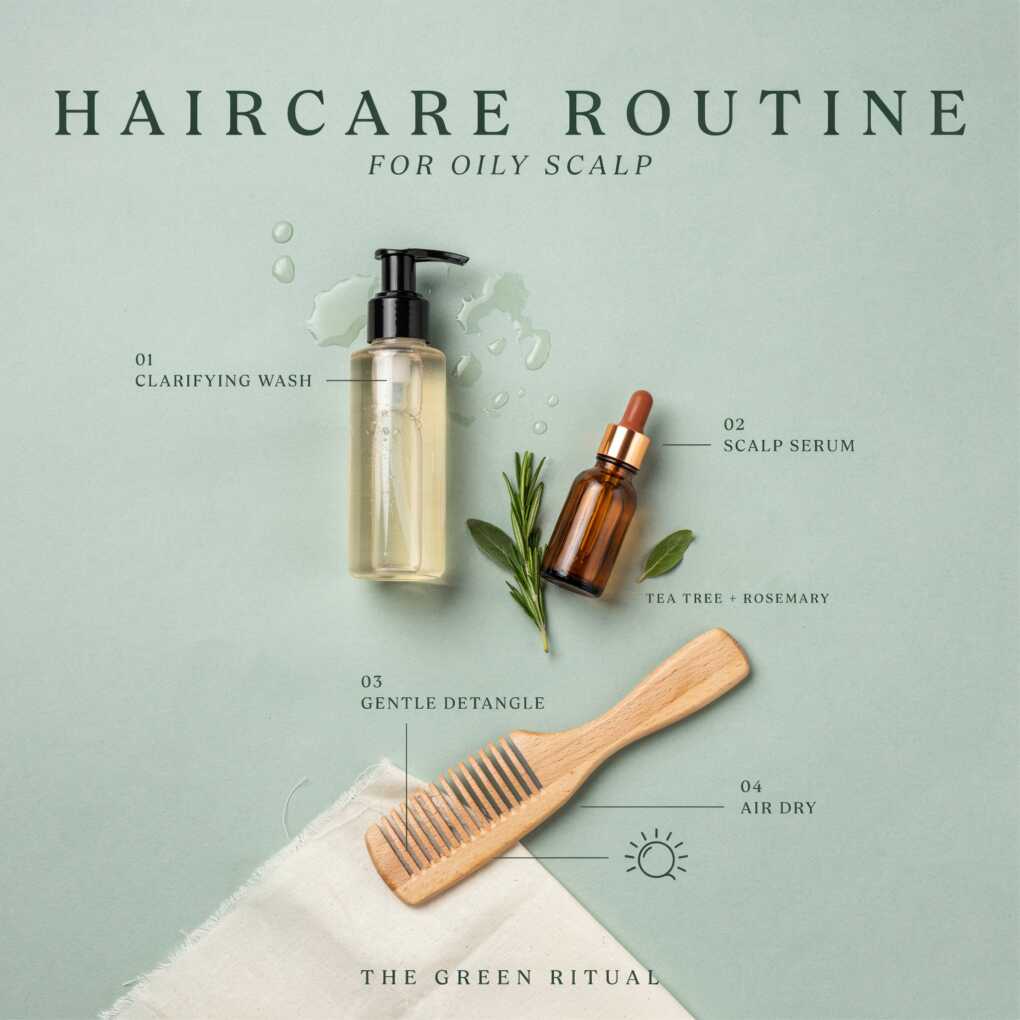
Why Does My Scalp Get Oily?
To figure out how to treat oily scalp issues effectively, it helps to understand what is actually happening beneath your hair. Your scalp is covered in sebaceous glands, which naturally produce an oil called sebum. Sebum is essential—it moisturizes your scalp, protects your skin barrier, and keeps your hair shafts supple. However, when these glands go into overdrive, you end up with a greasy scalp and weighed-down hair.
Several factors influence sebum production. Genetics play a massive role; if your parents had oily skin or hair, you are more likely to experience the same. Hormones are another major culprit. Fluctuations in androgens (like testosterone) during puberty, menstrual cycles, pregnancy, or times of high stress can stimulate the sebaceous glands to produce more oil.
Environmental factors also contribute. High humidity, pollution, and even wearing tight hats can trap sweat and oil against the skin, leading to scalp buildup. Interestingly, your current haircare habits might be making the problem worse. Many people with greasy hair reach for harsh, stripping shampoos and wash their hair multiple times a day. While this provides temporary relief, it can actually trigger a “sebum rebound” effect. When you strip the scalp of its natural moisture, the body panics and produces even more oil to compensate. According to the American Academy of Dermatology (AAD), how often to wash oily hair depends on your individual sebum production, but over-washing is a common mistake that exacerbates oiliness. Finding the right balance is the first step toward long-term scalp health.
How to Tell Oily Scalp vs. Oily Hair
Before overhauling your routine, it is important to distinguish between an oily scalp and oily hair lengths, as they require different solutions. An oily scalp means your roots look greasy, flat, and shiny very soon after washing—often within 12 to 24 hours. If you run your fingers along your part and they feel slick or coated, the issue is originating at the root due to overactive sebaceous glands.
On the other hand, oily hair lengths are usually the result of product buildup. If your roots feel relatively clean but your mid-lengths and ends look stringy, heavy, or dull, you might be using conditioners, leave-in creams, or styling products that are too heavy for your hair type. Sometimes, people mistake dandruff and oily scalp conditions for one another; flaky, yellowish scales clinging to the roots can look like grease but are actually a sign of seborrheic dermatitis. Pinpointing the exact location and cause of the oil will help you choose the right targeted treatments.
Daily Haircare Routine for Oily Scalp
Managing greasy hair is all about maintenance and making smart daily choices. You do not necessarily need to do a full wash every single day; in fact, giving your scalp a break can help regulate oil production over time.
Morning Routine
When you wake up, assess your roots. If they are only slightly oily, skip the full shampoo. Instead, opt for a gentle water rinse or rely on a high-quality dry shampoo for oily hair. The trick to dry shampoo is application: spray it onto your roots before your hair actually gets greasy, ideally at night or first thing in the morning. Hold the can 6 to 8 inches away from your scalp, spray in short bursts, and let it sit for two minutes to absorb the oil before massaging it in with your fingertips or brushing it out.
If you do need to wash, use a gentle, sulfate-free shampoo. Focus the lather strictly on your scalp and roots, massaging with your fingertips (never your nails) to lift dirt and sebum. Let the suds wash down the lengths of your hair as you rinse—this is enough to clean the ends without drying them out.
Brushing is another daily essential, but technique matters. Use a boar bristle brush, which is excellent for distributing natural oils from the scalp down the hair shaft. However, avoid over-brushing, as excessive brushing can stimulate the sebaceous glands and spread oil too quickly.
Night Routine
Your nighttime scalp hygiene is just as crucial. Always remove heavy styling products, dry shampoo residue, and environmental pollutants before bed. Sleeping with a scalp full of buildup can clog hair follicles and lead to irritation or scalp acne.
Avoid applying heavy oils, thick leave-in conditioners, or serums near your roots at night. These products should strictly be applied from the mid-shaft to the ends. If you are using targeted scalp treatments (like a salicylic acid serum or a soothing tea tree oil for scalp application), night is the perfect time to apply them, as they can work uninterrupted while you sleep. Keep your pillowcases clean—swap them out every few days to prevent transferring facial and scalp oils back onto your freshly washed hair.
Weekly Maintenance and Scalp Exfoliation
A solid daily routine needs a weekly reset to truly reduce scalp oil and prevent long-term buildup. This is where your weekly deep-cleaning steps come into play.
The Clarifying Shampoo
Once a week (or once every two weeks, depending on how much product you use), swap your regular wash for a clarifying shampoo. Clarifying shampoos are formulated with stronger surfactants designed to strip away stubborn residue from hard water, dry shampoo, silicones, and excess sebum that regular shampoos leave behind. Because they are highly effective at degreasing, they can be drying. To counteract this, always follow up with a hydrating conditioner, but apply it only to the mid-lengths and ends of your hair.
Scalp Exfoliation
Just like the skin on your face, your scalp benefits from regular scalp exfoliation to remove dead skin cells and unclog follicles. This can be done chemically or physically:
- Chemical exfoliation: Look for a salicylic acid shampoo or a scalp serum containing glycolic or salicylic acid. Salicylic acid is a beta-hydroxy acid (BHA) that is oil-soluble, meaning it can penetrate deep into the hair follicles to dissolve sebum and dead skin. Use a chemical exfoliant once a week before shampooing.
- Physical exfoliation: You can use a gentle scalp massaging brush (often made of soft silicone) while you shampoo. This helps manually lift flakes and buildup without causing micro-tears on the scalp. Avoid harsh, gritty walnut-shell scrubs, which can cause irritation and trigger more oil production as a defense mechanism.
Pre-Shampoo Treatments
What about natural remedies for oily scalp, like pre-wash oil treatments? While oiling the hair is a beloved tradition in many cultures, applying heavy oils (like coconut or castor oil) directly to an already overactive sebaceous scalp can worsen greasiness and clog follicles. If your ends are dry but your scalp is oily, apply lightweight oils like jojoba or squalane strictly to the ends of your hair before washing, keeping the scalp completely clear.
Best Ingredients for Oily Scalps
When shopping for the best shampoo for oily hair, turn the bottle around and read the ingredient list. The right active ingredients can make a world of difference in your scalp oil control journey.
Ingredients to Embrace
- Salicylic Acid: As mentioned, this BHA is a powerhouse for breaking down oil and preventing scalp buildup.
- Tea Tree Oil: Known for its natural antimicrobial and soothing properties, tea tree oil for scalp health helps keep the microbiome balanced and reduces itching.
- Zinc Pyrithione: If you are dealing with dandruff and an oily scalp simultaneously (a common combination linked to Malassezia yeast), zinc pyrithione is an anti-fungal ingredient that tackles the root cause of the flakes and oil.
- Clay and Charcoal: Kaolin clay, bentonite clay, and activated charcoal act like magnets, drawing out impurities and absorbing excess sebum from the roots.
- Glycolic Acid: An alpha-hydroxy acid (AHA) that gently resurfaces the scalp and removes dead skin.
When looking for the best conditioners for oily hair, seek out lightweight, volumizing formulas. Ingredients like panthenol (Vitamin B5) and aloe vera provide hydration without the heavy, greasy footprint of thick butters.
Ingredients to Avoid at the Roots
Keep heavy silicones (like dimethicone), mineral oil, petrolatum, and heavy plant butters (like shea or cocoa butter) away from your scalp. These ingredients create a seal over the skin, trapping sebum underneath and resulting in flat, greasy hair. While they are great for dry, damaged ends, they will suffocate an oily scalp.
You do not necessarily need to spend a fortune at a high-end salon. Many excellent drugstore brands now offer sulfate-free, salicylic acid, and clay-based shampoos that deliver professional results at a fraction of the cost.
Styling and Post-Wash Tips for Greasy Hair
How you style your hair after washing can either extend your fresh blowout or make it look greasy by lunchtime. First, focus on your blow-dry technique. Flip your head upside down while rough-drying the roots to create lift and volume. Flat roots trap heat and sweat, which accelerates oil production. Use a medium heat setting and always finish with a blast of cool air to seal the hair cuticle.
Product placement is critical. Keep all leave-in conditioners, heat protectants, and styling creams strictly below your ears. If you need volume at the root, opt for a lightweight root-lifting spray or a texturizing powder rather than a heavy cream.
Furthermore, pay attention to your tools. Your hairbrush collects sebum, dead skin, dust, and old product every time you use it. If you brush clean hair with a dirty brush, you are immediately re-depositing that grease back onto your strands. Wash your brushes weekly with warm water and a clarifying shampoo. Finally, try to keep your hands out of your hair. The natural oils and dirt from your fingertips transfer easily to your hair, contributing to that mid-day greasy look.
Lifestyle, Diet, and Scalp Health Tips
Your haircare routine does not stop in the shower; your internal health plays a significant role in how your scalp behaves. Hormonal imbalances, chronic stress, and lack of sleep can all trigger spikes in cortisol and androgens, which directly stimulate the sebaceous glands to produce more oil. Incorporating stress-management techniques like yoga, meditation, or regular exercise can have a visible impact on your scalp health tips and overall wellness.
Diet also matters. Studies suggest that high-glycemic diets—those rich in refined sugars and simple carbohydrates—can cause insulin spikes that subsequently increase androgen activity and sebum production. Incorporating a balanced diet rich in omega-3 fatty acids, zinc, and vitamins A and E can help regulate inflammation and support overall skin and scalp health. Staying well-hydrated is equally important; when your body is dehydrated, your skin may overcompensate by producing more oil.
If you experience a sudden, severe increase in scalp oiliness, accompanied by hair loss, intense itching, or painful cysts, it is time to look beyond your bathroom cabinet. These can be signs of underlying medical conditions, and consulting a board-certified dermatologist is the best course of action.
Troubleshooting Common Oily Scalp Problems
Even with the best haircare routine for oily scalp concerns, you might hit a few snags. Here is how to troubleshoot common issues:
- Increased oil after switching products: If you recently switched to a gentle, sulfate-free shampoo and your hair feels greasier, your scalp might be going through an adjustment period. Give it two to three weeks to regulate, or ensure you are incorporating a weekly clarifying wash.
- Dandruff mistaken for oil: If your “grease” is actually yellowish, oily flakes, you likely have seborrheic dermatitis. Switch to a medicated shampoo containing ketoconazole or zinc pyrithione.
- Hair losing volume but ends are dry: You likely have combination hair (oily roots, dry ends). Use a clarifying shampoo on the roots and a deep conditioning mask strictly on the ends.
- Scalp acne: Painful bumps at the roots indicate clogged follicles. Incorporate a salicylic acid treatment and avoid heavy styling pomades. If it persists, see a dermatologist.
Your Quick Oily Scalp Checklist
Ready to take control of your greasy hair? Keep this simple checklist handy:
Daily:
- Assess roots; use dry shampoo preventatively if skipping a wash.
- Apply conditioners and leave-ins only to the ends.
- Keep hands out of your hair and clean your brush weekly.
Weekly:
- Use a clarifying shampoo to remove buildup.
- Perform gentle scalp exfoliation (chemical or physical).
- Wash pillowcases and hair tools.
Monthly:
- Evaluate your products. Are they working?
- Track your wash frequency to see if you can safely extend days between washes.
Final Thoughts
Managing an oily scalp is a marathon, not a sprint. Commit to this routine for at least four weeks to allow your scalp’s microbiome and sebum production to balance out. With patience and the right ingredients, you will achieve the fresh, voluminous hair you have been looking for!
Have you tried any of these scalp health tips? Let us know which products worked best for you in the comments below, or download our printable haircare routine checklist to keep in your shower!