In today’s image-conscious world, long, healthy hair remains a timeless symbol of beauty and vitality. While we all dream of Rapunzel-worthy tresses that cascade dramatically down our backs, the reality is that hair growth is a slow, biological process that can feel frustratingly sluggish. You’re not alone if you’ve ever impatiently measured your strands in the mirror, wondering when those extra inches will finally appear. The good news is that while you can’t magically speed up your hair’s natural growth rate (which averages about $0.5$ inches per month), you can optimize conditions for maximum growth potential and minimize preventable breakage that keeps your hair from reaching its full length.
Understanding that true hair growth happens at the root level—and not by stretching existing strands—is crucial to setting realistic expectations. Many women mistakenly believe they can “grow” their hair faster with quick fixes, but the truth is that factors like genetics, age, hormones, and overall health play the most significant role in determining how quickly your hair grows. As trichologist Dominic Burg explains, “Your body will shut down your hair growth first and redirect nutrients and energy to the organs that need it most” when under stress or nutritional deficiency. This article will guide you through science-supported strategies to create the optimal environment for healthy hair growth, reduce breakage, and ultimately help you achieve the longer, thicker hair you desire—with patience and the right approach.
Understanding Your Hair Growth Cycle
Before diving into growth strategies, it’s essential to understand how hair actually grows. The hair growth cycle consists of three main phases: anagen (growth phase), catagen (transition phase), and telogen (resting phase). During the anagen phase, which can last anywhere from two to seven years, hair actively grows from the follicle. The catagen phase lasts about two weeks, when growth stops and the hair follicle shrinks. Finally, the telogen phase lasts around three months, where hair rests before eventually shedding to make room for new growth.
The duration of your anagen phase largely determines your maximum hair length potential. Some people have naturally short anagen phases (resulting in hair that never seems to grow past shoulder-length), while others enjoy years of continuous growth. Unfortunately, you cannot significantly alter your genetically predetermined growth cycle length. However, you can optimize the health of each strand while it’s growing, minimize premature shedding, and create the ideal environment for follicles to thrive. As Anabel Kingsley, trichologist and brand president of Philip Kingsley, explains: “While hair holds huge psychological importance, it isn’t an essential tissue in terms of physical health. Since hair is both needy and dispensable, hair growth is highly sensitive to dietary inadequacies.”
🔍 Key Insight: The Growth Reality Check
Many hair growth products promise unrealistic results by claiming to speed up your natural growth rate. In reality, hair can only grow as fast as your biology allows. The average growth rate is approximately $0.5$ inches per month, translating to about $6$ inches per year. The most effective “growth” strategy isn’t about speeding up this process but preventing breakage that keeps your hair from reaching its full potential length.
Nutrition: Fueling Your Follicles from Within
The Protein Powerhouse
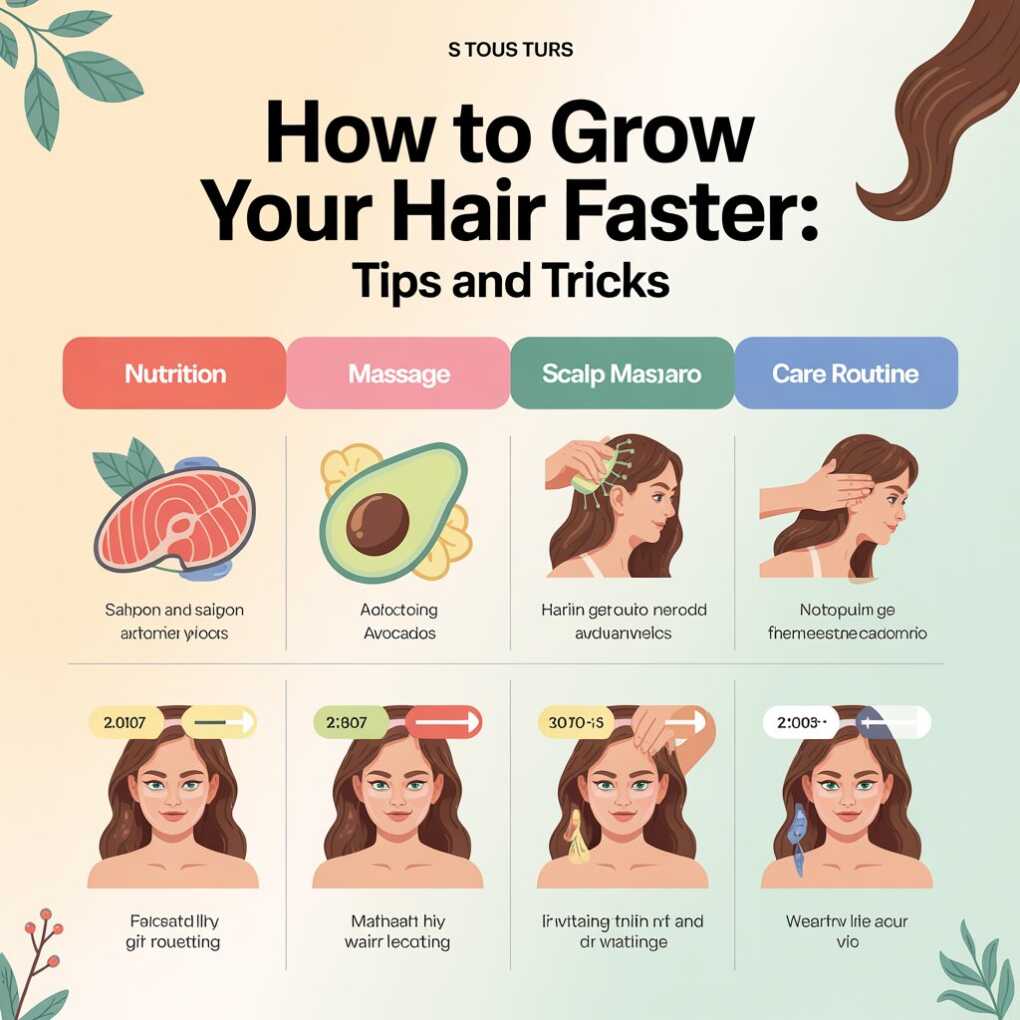
Since hair is primarily composed of keratin (a protein), adequate protein intake is non-negotiable for healthy growth. When your body detects insufficient protein, it prioritizes essential functions over hair production, potentially shifting growing hairs into the resting phase. Aim for at least a palm-sized portion of protein with breakfast and lunch, as recommended by trichologists. Excellent sources include:
- Lean meats and poultry
- Fish (especially salmon for omega-3s)
- Eggs
- Legumes and lentils
- Greek yogurt and cottage cheese
- Nuts and seeds
Vitamin and Mineral Essentials
Certain vitamins and minerals play critical roles in hair health. Consider incorporating these powerhouse nutrients into your daily routine:
| Nutrient | Why It Matters | Best Food Sources |
|---|---|---|
| Biotin | Supports keratin infrastructure and strengthens hair | Eggs, almonds, sweet potatoes |
| Iron | Prevents anemia-related hair loss | Red meat, spinach, lentils |
| Vitamin D | Stimulates hair follicles | Sunlight, fatty fish, fortified foods |
| Zinc | Helps with tissue repair and hair growth | Oysters, pumpkin seeds, chickpeas |
| Vitamin E | Antioxidant that combats oxidative stress | Avocado, sunflower seeds, almonds |
Pro Tip: Instead of immediately reaching for hair growth gummies and supplements, focus on building a foundation of nutrient-dense whole foods. As Dr. Kingsley emphasizes, “Hair cells are among the second fastest dividing cells in the body, making hair a very demanding tissue.” If you do consider supplements, consult with your healthcare provider first—excessive intake of certain vitamins (like vitamin A) can actually cause hair loss.
Scalp Health: The Foundation of Growth
Gentle Cleansing Routine
Your scalp is the soil from which your hair grows—it needs to be clean, nourished, and healthy. Overwashing strips natural oils, while underwashing allows buildup that can clog follicles. Find your ideal balance based on your hair type:
- Oily hair: Wash every other day
- Normal hair: Wash 2-3 times weekly
- Dry/curly hair: Wash once weekly
🤔 Why Scalp Exfoliation Matters
Just like facial skin, your scalp accumulates dead skin cells that can block follicles. Incorporate a gentle scalp exfoliator once a week—try mixing brown sugar with your favorite conditioner or using a specialized scrub. Healthy scalps promote healthier hair growth!
Scalp Massage Techniques
Research shows that regular scalp massage can increase blood circulation to hair follicles, potentially stimulating growth. Try this technique:
- Use your fingertips (not nails) to apply gentle pressure
- Make small circular motions across your entire scalp
- Focus on areas where you notice thinning
- Massage for at least 5 minutes daily
A study published in Eplasty found that participants who performed daily 4-minute scalp massages showed increased hair thickness after 24 weeks. It’s free, relaxing, and potentially beneficial—why not give it a try?
Hair Care Practices That Support Growth
The Trim Paradox
Here’s a truth that might surprise you: regular trims actually help your hair grow longer. While cutting the ends doesn’t speed up root growth, it prevents split ends from traveling up the hair shaft and causing breakage. Think of it like pruning a plant—removing damaged parts allows for healthier overall growth. Schedule trims every 10-12 weeks, requesting only the bare minimum (¼ inch) to maintain shape while preserving length.
Protective Styling Matters
Chronic tension from tight hairstyles like ponytails, braids, and buns can lead to traction alopecia—permanent hair loss from constant pulling. Choose protective styles that minimize stress:
- Opt for loose braids instead of tight cornrows
- Use silk scrunchies instead of elastic bands
- Alternate between updos and loose styles
- Avoid sleeping with hair in a tight style
# 5 Protective Styles for Growing Hair

1. **Loose Top Knot**: Gather hair loosely at the crown instead of the nape
2. **Silk-Sleeved Braids**: Braid hair loosely and cover with silk scarf
3. **Pineapple Method**: High loose ponytail on top of head for curly hair
4. **Twist-Outs**: Low-manipulation style that protects ends
5. **Headwraps**: Fashionable way to give hair a break from styling
Pro Tip: When detangling, start from the ends and work your way up to minimize breakage. Always use a wide-tooth comb on wet hair, preferably with a leave-in conditioner or detangling spray. The Oribe Gold Lust Dry Heat Protection Spray doubles as a detangler while protecting against heat damage.
Products That Actually Work
Choosing the Right Shampoo Formulas
Not all shampoos are created equal when it comes to supporting growth. Look for these key ingredients:
- Caffeine: May stimulate follicles (found in Alpecin Caffeine Shampoo)
- Niacinamide: Improves scalp circulation (Briogeo Scalp Revival)
- Rosemary Oil: Clinical studies show it can be as effective as minoxidil for some types of hair loss
Avoid harsh sulfates that strip natural oils and potentially irritate the scalp. Your shampoo should cleanse without leaving hair feeling squeaky clean or tight.
Growth Serums and Treatments
The hair growth serum market is flooded with options, but these clinically backed ingredients show promise:
| Product Type | Key Ingredient | How It Works | Best For |
|---|---|---|---|
| Minoxidil solutions | Minoxidil 2-5% | Extends anagen phase | Androgenetic alopecia |
| Peptide treatments | Copper peptides | Stimulate follicles | Thinning hair |
| Botanical oils | Rosemary, peppermint | Improve circulation | General hair health |
| Stem cell serums | Plant stem cells | Nourish follicles | Fine or damaged hair |
While minoxidil is FDA-approved for hair loss, many prefer natural alternatives. A 2015 study published in Skinmed found that rosemary oil was as effective as minoxidil for treating androgenetic alopecia—but without the side effects.
Lifestyle Factors You Can’t Ignore
Stress Management Is Scalp Care
High-stress levels throw off hormone balance and can inflame your scalp—both of which negatively impact hair growth. As experts note in ELLE, “When you’re stressed, you might not eat well, and your body may also struggle to absorb nutrients, which can harm your strands.” Incorporate stress-reducing practices:
- Daily 10-minute meditation
- Regular exercise (but avoid extreme workouts)
- Adequate sleep (7-9 hours)
- Mindfulness practices
Heat and Chemical Damage Control
Excessive heat styling and chemical treatments create cumulative damage that leads to breakage—the enemy of length retention. Follow these guidelines:
- Set flat irons to no higher than 350°F
- Always use heat protectant (like the COLOR WOW Dream Coat Supernatural Spray)
- Space out color services by at least 8 weeks
- Avoid overlapping highlights on previously lightened hair
# The Heat Styling Safety Checklist

✓ Use heat protectant EVERY time
✓ Keep tools moving—never hold in one spot
✓ Start on lowest effective temperature
✓ Give hair rest days between styling
✓ Deep condition weekly to combat dryness
When to Seek Professional Help
Not all hair growth issues can be solved with DIY methods. Consult a board-certified dermatologist or trichologist if you notice:
- Sudden, patchy hair loss
- Excessive shedding (more than 100 strands daily)
- Scalp redness, itching, or pain
- Hair thinning that runs in your family
- No improvement after 6 months of consistent care
💡 Medical Treatments Worth Discussing
Depending on your specific diagnosis, a professional might recommend:
- Prescription medications like minoxidil (Rogaine) or finasteride (for women in some cases)
- Low-level laser therapy (LLLT) through devices like Capillus or iRestore
- Platelet-rich plasma (PRP) injections to stimulate follicles
- Oral supplements specifically formulated for your deficiency
Putting It All Together: Your 90-Day Growth Plan
Ready to implement these strategies? Here’s a realistic 90-day roadmap to support healthier hair growth:
Month 1: Foundation Building
- Schedule scalp check with dermatologist if concerned
- Clean out damaging products and restock with gentle alternatives
- Implement daily 5-minute scalp massage
- Track your nutrient intake for 7 days to identify gaps
Month 2: Optimization Phase
- Adjust diet based on nutritional assessment
- Introduce one new growth-supporting product
- Begin protective styling routine
- Start stress management practice (meditation, yoga, etc.)
Month 3: Consistency & Assessment
- Take “before” photos for comparison
- Continue all established routines
- Consider adding targeted treatment (like rosemary oil)
- Note any changes in hair texture, strength, or shedding
Remember that hair grows in cycles, so significant changes take time. Most experts recommend giving any new routine at least three to six months before evaluating effectiveness.
The Growth Mindset: Patience and Realistic Expectations
True hair growth is a marathon, not a sprint. While social media may bombard you with images of miraculous overnight transformations, sustainable length comes from consistent, science-backed care. Focus on creating an environment where your hair can thrive rather than chasing unrealistic growth rates.
As we’ve explored throughout this guide, the most effective “growth” strategy combines proper nutrition, scalp care, gentle handling, and patience. Track your progress with photos and notes about how your hair feels—not just how long it is. Healthy hair is strong, shiny, and resilient, which ultimately allows it to grow longer without breaking.
Don’t let the slow pace of hair growth discourage you. Every strand that reaches its full potential length is a victory, and every healthy habit you implement contributes to your hair’s overall vitality. Whether you’re growing out a bad haircut, recovering from damage, or simply wanting to maximize your natural length, remember that healthy hair growth isn’t about speed—it’s about sustainability.
“Hair growth is not something you do to get somewhere—it’s a journey of caring for yourself from the root up. Honor your unique growth cycle, nourish your body, protect your strands, and trust the process. The healthiest hair isn’t the longest hair—it’s the hair that’s treated with consistent love and understanding.” — Sarah Mitchell, Master Colorist and Founder of Rooted Beauty Collective
Cut through the noise of hair growth hype and focus on what truly matters: creating conditions where your hair can flourish at its natural pace. With the right approach, you’ll not only grow longer hair—you’ll grow stronger, healthier hair that radiates beauty from root to tip.